The Digital Transformation of Local Marketing Arrives Through Generative AI
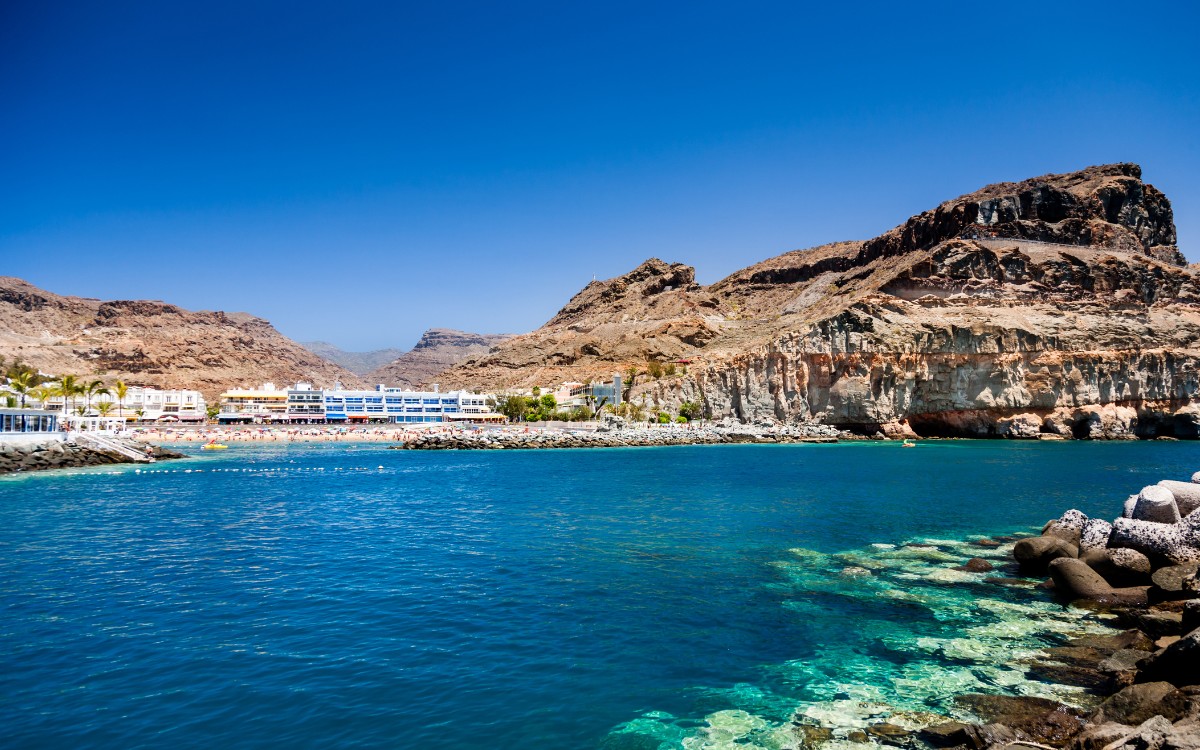
In the Canary Islands, tourism and local commerce increasingly depend on an appealing, consistent digital presence: promotional videos, product photography, and social media content that captures the attention of visitors and local customers alike
ELDIGITALDECANARIAS.NET/London
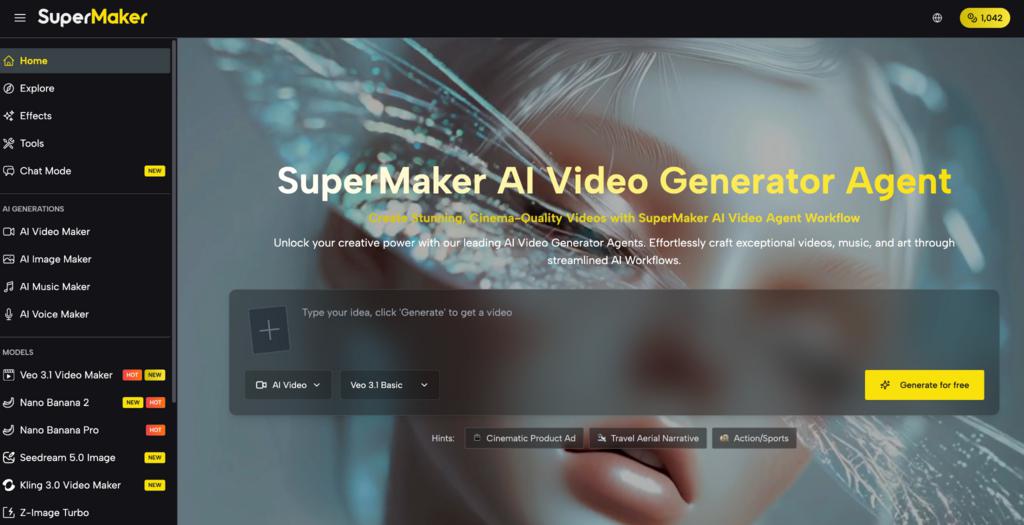
Keeping up that production pace remains a real challenge for many small businesses in the region that don't have a dedicated marketing team, especially those competing directly with larger hotel chains and tour operators that already have in-house marketing staff. Platforms like SuperMaker's AI Video Maker are starting to change that reality, generating complete videos from a simple text prompt or existing photographs.
Why Content Production Remains an Obstacle for Local Commerce
A small hotel, restaurant, or excursion agency in the islands usually knows exactly what content works — short videos, appealing images, frequent posts — but rarely has the time or budget to produce it consistently. The usual result is a social media profile that gets updated in bursts, rather than maintaining a regular rhythm that actually builds an audience over time.
This inconsistency can be particularly damaging in a tourism market where potential customers often compare several businesses before making a reservation. A profile that has not been updated recently may make an otherwise reliable local company appear less active or professional. The difficulty is therefore not a lack of interesting experiences or services to promote, but the time and production resources required to present them consistently online.
Three Ways AI Is Changing Local Content Production
1. Promotional Videos Without a Film Crew
From a written description or photos of the business, it's possible to generate a complete video with voiceover and music, ready to publish without needing to hire an audiovisual crew.
2. On-Brand Images on Demand
An AI Image Maker allows businesses to create high-quality images from a simple description, useful for hospitality and retail businesses that need to refresh their visual content frequently without depending on a designer.
3. Content Adapted to Seasons and Campaigns
Because it's generated from text, content can be quickly adapted to tourist seasons, local festivities, or one-off promotions, without the delays of traditional production timelines.
Where This Trend Is Heading
The most likely development over the coming months isn't AI fully replacing traditional production, but the consolidation of hybrid workflows: a business takes a few real photos or videos, and AI handles expanding them, generating variants for different networks, or quickly adapting the message for a new campaign or season. Some agencies working with Canary Islands SMEs are already incorporating these tools as part of their standard process, rather than treating them as a separate alternative. For local businesses, this likely means the technology will become increasingly invisible, simply integrated into how day-to-day content gets produced.
This blended approach allows businesses to keep the authenticity of real locations, staff, products, and customer experiences while using AI to reduce repetitive production work. A hotel could reuse genuine property footage across several seasonal campaigns, while a tour operator could adapt the same core material for different destinations, audiences, or social platforms. Traditional photography and video would remain important, but each production session could generate more usable content over a longer period.
Language and Tone Considerations for a Multilingual Audience
Tourism-driven businesses in the islands typically market to a mix of Spanish, English, and German-speaking visitors, among others, which historically meant either maintaining separate content for each audience or settling for a compromise version that didn't fully serve any of them well. Because AI generation starts from a written prompt rather than a fixed script, businesses can produce closely matched versions of the same promotional content in multiple languages without re-shooting anything, giving smaller operators a practical way to serve a genuinely multilingual customer base without the cost of maintaining fully separate marketing production for each language.
However, translating the words alone is not always enough. Tone, phrasing, cultural expectations, and calls to action may need to change depending on the target audience. Local businesses still need to review each version carefully to make sure it sounds natural and accurately represents the experience being offered, rather than relying on a direct translation that may feel generic or disconnected from the intended customer.
What This Means for Canary Islands Businesses
These tools don't replace a well-thought-out marketing strategy — brand voice, messaging, and judgment remain the business's responsibility. What they change is the cost and time needed to keep that strategy consistently active, which matters especially for SMEs competing for the attention of tourists and local customers in an increasingly saturated digital environment.
Lower production barriers also give smaller operators more room to experiment. Instead of investing most of an annual marketing budget in one major campaign, a business can test different messages, visuals, and promotional formats throughout the year. The results can then show which destinations, services, or offers attract the strongest response, helping future marketing decisions rely more on actual audience behaviour.
Matching Content to the Region's Seasonal Rhythm
Tourism in the Canary Islands follows a fairly predictable seasonal pattern, with demand and visitor interest shifting noticeably across the year. Businesses that can adapt their messaging quickly around these shifts — highlighting different activities, offers, or amenities as the season changes — tend to stay more relevant to the audience actually browsing at any given moment. Being able to generate a new set of seasonal visuals or a short promotional video in a single afternoon, rather than planning a shoot weeks in advance, gives smaller operators a way to stay responsive to these seasonal shifts that was previously only realistic for larger, better-resourced hospitality brands.
Faster production can also help businesses respond to shorter-term opportunities that do not fit neatly into an annual campaign plan. Weather changes, local events, last-minute availability, and emerging travel trends can all create temporary demand. When promotional content can be updated quickly, local operators are better positioned to highlight the right experience at the moment customers are most likely to be interested in it.
Conclusion
For the Canary Islands business community, this reduction in technical and financial barriers can make a real difference: businesses that previously could only afford one visual campaign a year can now maintain an active digital presence throughout the entire tourist calendar, without needing to outsource every piece of content to an agency. To check whether this tool fits a specific business's needs, the most practical approach is to test it on a single campaign before considering a broader workflow change.